

U.S. Retail bankruptcies are being spurred by secular challenges.
The ruse of e-commerce and discount retailers, declining mall traffic, and consumer spending shifts have all contributed to the rise in retail bankruptcies, according to a new report from Fitch Ratings. The report, "Retail Bankruptcy Enterprise Value and Creditor Recoveries: Fitch Bankruptcy Case Studies - 10th Edition," demonstrates that retailers faced with these challenges coupled with the ebb and flow of brand popularity will teeter precariously on the edge of bankruptcy, as “negative comps and fixed cost deleveraging lead to negative cash flow and unsustainable capital structures.”
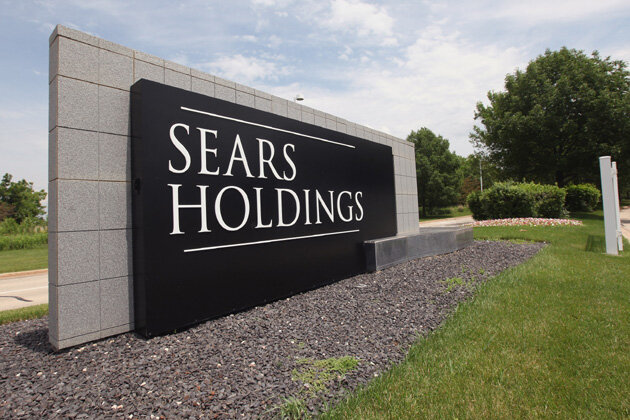
Among those retailers currently on the slippery slope to bankruptcy are Sears Holdings Corporation, Claire’s Stores, Inc., True Religion Apparel, Inc., 99 Cents Only Stores LLC, Nebraska Book Company, Inc., Nine West Holdings, Inc., and Rue21, Inc.
‘Brand degradation and competitive pressures to either price or experience can be real threats to the survival of struggling retailers,” asserted Sharon Bonelli, Senior Director, Leveraged Finance. “As a result, many retailers move into the bankruptcy process without a real reason to exist and ultimately end up in liquidation more often than bankrupt companies in other sectors.”
The report studied 30 recent retail bankruptcies that involved $10.5 billion in debt over the course of the study. Of those, half did not survive the process, a fraction that is much higher than the 17 percent experienced across other industries, Fitch reported. The one exception was grocery chains, with five of six emerging as operating businesses, with strong locations being a significant factor.
And when price is the bottom line, there is often little a retailer can do to combat its losses. The report explained, “Most of the retailers at high risk of default are challenged by declining mall traffic, competition from online and other types of retailers, and/or a lack of a compelling product line. Highly leveraged capital structures may become unsustainable in the face of these challenges.”
And, the report noted, ultimately, steps that many retailers take to avoid bankruptcy can actually contribute to a downward spiral. With declining sales, fixed costs loom larger, and many retailers respond by cutting back on store maintenance, labor and marketing. The report states: “These actions can exacerbate market share erosion through declines in the in-store experience. Severe or persistent market share contraction can lead to weak or negative FCF, which limits the ability to improve competitive position, creating a downward spiral of operations and results.”
