

0 transaction fees, mobile management app, and employee schedule top desired features.
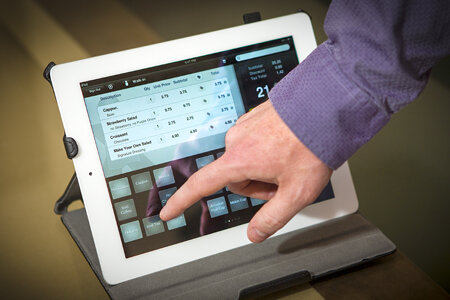
A new report from Capterra, a tool for businesses to find the right software, found that 44 percent of all stores use mobile POS and 79 percent of those users are small-midsize businesses. “The Point of Sale Software Systems User Research Report” also found that the most desired POS features include 0 transaction fees, mobile management apps, and employee scheduling. The most used POS features are customized reporting, followed by inventory control and 24/7 support.
Researchers collected the data in this POS systems report through a 26 question survey to POS buyers and users online, conducted over the course of a week and receiving a total of 400 qualified responses in September 2015. The report also found that 88 percent of companies have had their software for less than 5 years.
While iPad is the preferred device to run a mobile register on, Android is the preferred smartphone, and the most popular software brands are Quickbooks POS (34 percent), Square (12 percent), and IBM SurePOS (12 percent).
The data also suggest that the POS industry is experiencing a major shift, with many solutions becoming cloud-based and offering the ability to use software on mobile devices. As this happens, companies will be likely to find that they need to find new solutions that better fit their current needs. The study also found that smaller businesses and enterprises are more likely to switch POS software providers, most likely because the larger the operation, the more difficult and costly it is to implement a change.
Additionally, the data revealed that when looking for a new POS provider, the majority of companies do two or fewer demos, lower than in any other software vertical. This suggests that POS buyer are more educated on average before buying, or that because POS is a less expensive investment that other software options, the risk of making the wrong decision is lower. Eight percent of those surveyed said they opt for no demos at all, while 9 percent reported doing four or more demos before making a purchasing decision.
According to an earlier report by Research and Markets, “SMBs were the early adopters of mPOS technology. However, limited selling and low transaction volume of SMBs is making it difficult for mPOS vendors to sustain themselves in the market.” As a result, mPOS vendors are expanding their offerings to attract large enterprises to sustain their viability.
The "Global mPOS Market 2016-2020" report found that merchants prefer personalized and interactive consumer features in their mPOS systems, particularly the ability of mPOS to accept card payments regardless of location or sales point. SMBs that lack the necessary hardware to accept card payments are also increasingly adopting ,mPOS at a large scale.
As businesses move into the future, they’ve begun trending toward web-based, mobile POS to keep up with the changing pace of transactions. These web-based mobile POSs will allow greater omnichannel connectivity for companies who are choosing to showroom. They also allow for a far better customer experience, as mobile POS brings the point of sale to the customer, rather than forcing the customer to the point of sale.
