Strong online traffic began ahead of Cyber Monday
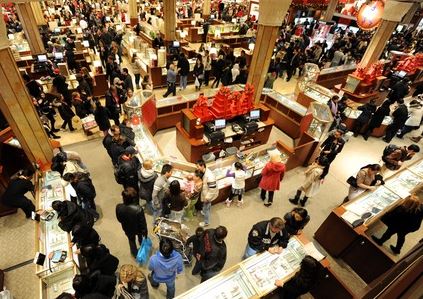
Consumers are shifting their holiday shopping patterns, and retailers are struggling to adjust to their new habits. Reuters reported that Black Friday crowds were smaller than anticipated in a “subdued start” to the 2015 holiday shopping season.
Retailers "have taken the sense of urgency out for consumers by spreading their promotions throughout the year and what we are seeing is a result of that," Jeff Simpson, director of the retail practice at Deloitte, told Reuters. Traffic in stores was light on Friday, while Thursday missed his expectations, he said.
According to analysts, as much as 20 percent of holiday shopping was anticipated to be completed over the Thanksgiving weekend this year, but historically these four days don’t serve as an accurate indicator for the entire holiday season. Last year, a slow start led to deeper promotions and stronger sales in the last days of December.
Many shoppers began their hunt for holiday treasures on Thanksgiving evening, drawing sales away from the traditional Black Friday numbers, but Suntrust Robinson Humphrey analysts said Thursday shopping was a “bust,” stating “Members of our team who went to the malls first had no problem finding parking or navigating stores.”
Black Friday sales have also been impacted by the rise of online sales. According to the National Retail Federation's consumer sentiment survey of 4,281 people out Sunday, more than 103 million people say they had or planned to shop online Thursday through Sunday. That's compared to nearly 102 million people who shopped in stores during the four-day period.
The Adobe Digital Index reported that U.S. shoppers spent $822 million online between midnight and 11 am ET on Black Friday. While that represents a 15 percent increase over 2014 spending, it fell short of the anticipated 19 percent growth predicted by analysts. Online sales on Thanksgiving Day rose 22 percent between midnight and 5 pm ET.
ChannelAdvisor figures for Thanksgiving 2015 shopping found that sales “blew the doors off,” coming in at 43.4 percent year over year growth, compared to 20.1 percent last year – more than twice the rate of growth. The study found that omnichannel marketplaces led the spending. Omnichannel players with stores and online marketplaces (Best Buy, Sears, etc.) did extremely well, indicating that these ‘Brick and Clicks’ retailers were really able to tie their store and online promotions together with great success.
ChannelAdvisor also found that Smartphones produced 58 percent of device traffic, up from 35 percent last year, and “a new high water mark for this device type” in their data. Smartphones were also utilized in 37 percent of orders, more than double that of 2014, although conversion still lags behind desktop and tablet.
The National Retail Federation forecast November and December retail sales would grow 3.7% this year over last, which is stronger than the 10-year national average of 2.5% but still shows signs of buyer caution. The NRF estimates nearly 136 million customers will shop at stores and online over Black Friday weekend, up from 133.7 million last year.