

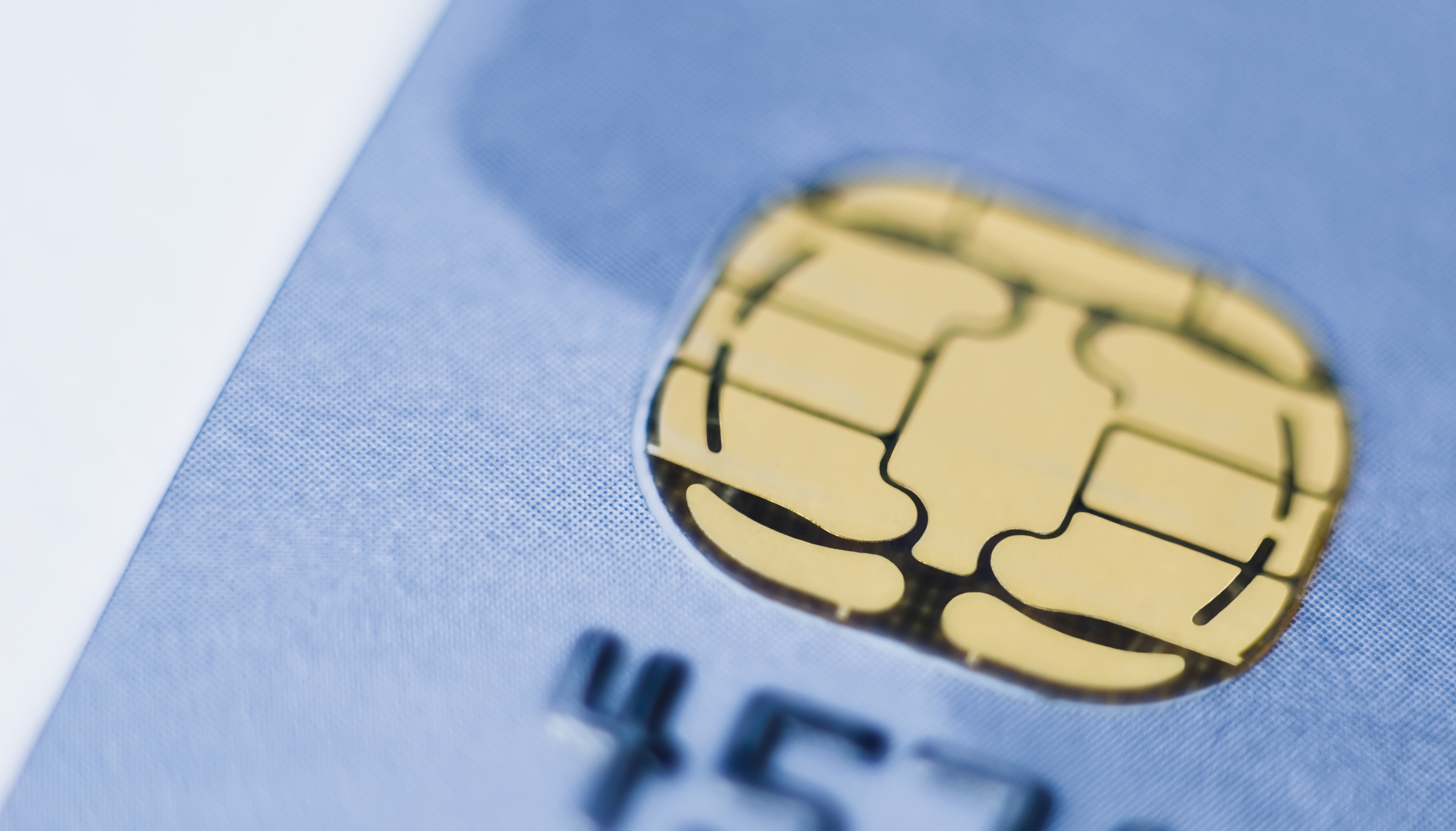
Nearly 8 in 10 (78 percent) of SMB retailers have not yet adopted EMV-ready systems, according to a new Software Advice study that surveyed small businesses and their customers on EMV readiness. And 23 percent of non-compliant retailers say EMV migration is “unnecessary,” while 62 percent of U.S. consumers still do not have an EMV chip-card.
So what does this mean for the looming EMV transition deadline?
According to a new study that surveyed small businesses and their customers on EMV readiness, done by Software Advice, a reviews and research hub for POS systems, as many as 25 percent of retailers were unaware of the changes to the standards, a lack of knowledge that may prove quite costly for non-compliant retailers who will soon be held liable for fraudulent transactions at their points-of-sale.
As the deadline quickly approaches, Software Advice surveyed SMBs to take the temperature of the preparedness of retailers. Among the findings of the new report, 64 percent of single-store retailers do not have a POS system in place, and only 22 percent of SMB retailers are prepared to meet the EMV deadline.
One of the challenges surrounding the EMV updates is that there is not mandate or regulatory authority requiring the shift to EMV technology. Randy Vanderhoof, executive director of the Smart Card Alliance explained, “It’s really a part of business process for everyone to be on the same page to do this, and to use incentives that are in place, or to avoid the penalties that are being levied, if people don’t move in the same timeframe.”
According to Vanderhoof, “After October 2015, the entity that is the least secure in [its] technology will be the one liable for the fraud, if it turns out that that transaction was a counterfeit card.”
The study did find that the number of retailers that are already EMV-complaint has doubled from 11 percent in 2014 to 22 percent in 2015, but that still leaves 78 percent who are not prepared for the shift.
So why are so many retailers unprepared? Vanderhoof offered this rationale: “I think there has been a sense that merchants were just going to ignore this. They didn’t believe it was going to happen, or they just put it out of their mind because they had more important things to worry about.”
In fact, 23 percent of retailers believe that EMV readers are unnecessary. Other reasons for delaying adoption include a lack of time for research and implementation (34 percent); prohibitive costs (33 percent); and a lack of knowledge regarding EMV (10 percent).
Vanderhoof believes that once the negative consequences of not being EMV-compatible begin to surface, merchants will move to adopt EMV, stating “Anybody who is saying ‘I have no intention of ever upgrading to EMV’ might change their tune a month later, once they get socked with a large chargeback that they’ve never seen before.”
|
|
|
|
|
|
|
|
|
