

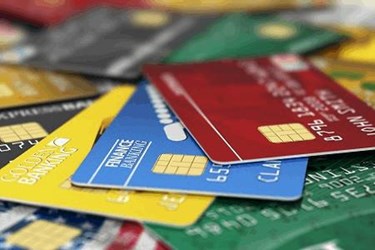
Attention to reducing credit and debit card fraud is taking precedence over new payment forms.
A new survey from the National Retail Federation and Forrester has found that the focus on reducing credit and debit card fraud by implementing EMV chip card acceptance has meant that data security enhancement efforts have taken precedence over the implementation of new mobile and digital payment forms. The State of Retail Payments 2016 study – subtitled “Securing Consumer Payment Data Continues to Dominate the Payments Agenda” – also revealed that EMV adoption has been hampered by bottlenecks throughout the U.S. payment system.
The survey polled CIOs and technology executives at 59 large and mid-sized retail companies.
“EMV is important, but chip cards alone won’t do the job of making data secure, especially if they’re only chip-and-signature rather than more-secure chip-and-PIN,” NRF Vice President for Retail Technology Tom Litchford said.
“That’s why retailers are working hard on technology like point-to-point encryption and tokenization that will ultimately do more to achieve the goal of putting hackers out of business. And the sooner security issues can be resolved the sooner retailers can bring new innovations to the way shoppers pay for their purchases like mobile and digital wallets.”
Three-quarters (76 percent) of retailers surveyed cited EMV as their top payment challenge of the past year, followed by chargeback issues often related to EMV (46 percent), and implementation of security aspects such as encryption and tokenization. The study also found that 86 percent of retailers have implemented or anticipate implementation of the new EMV chip system by the end of the year.
“Retailers will have made significant progress and investments securing and reducing fraud by the end of 2016,” Brendan Miller, principal analyst at Forrester, said. “With that foundation, they can now adjust much of their focus to optimizing the customer experience by adding new payment methods and improving checkout flows to meet their customers’ changing needs.”
The study found that implementation of forms of payments including mobile and digital wallets have taken a backseat to EMV implementation and meeting its associated security risks. Just 17 percent of those polled reported that mobile and digital wallets were one of their top issues for the year. Since near-field communications (NFC) is built into most EMV terminals, 72 percent anticipate being NFC-equipped by the end of 2017, but 68 percent said they plan to accept just one or “a very few” types of digital wallets, and not the whole range of possible options currently on the market.
